
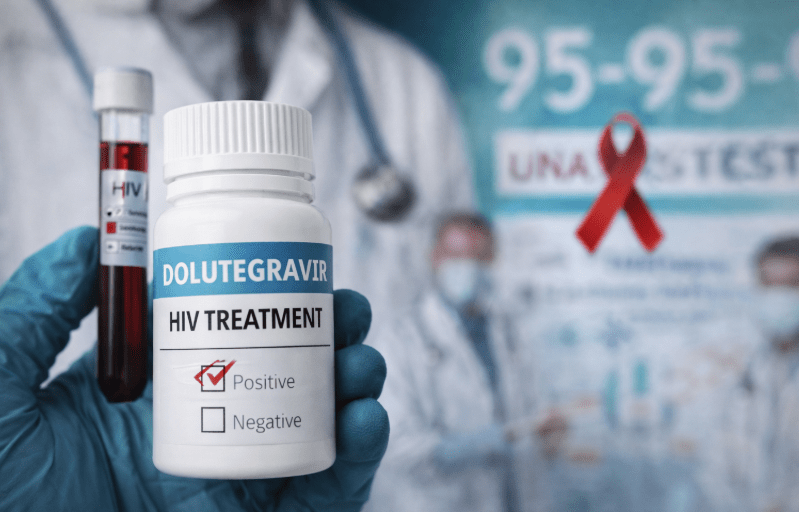
In 2025, the global fight against HIV has seen both major medical progress and serious challenges, according to recent reports from UNAIDS and the World Health Organization.
Dolutegravir-Based Regimens Leading HIV Treatment
One of the most significant advancements in HIV care is the widespread adoption of Dolutegravir-based antiretroviral therapy as the preferred first-line treatment worldwide. These regimens are now used by millions of patients globally, particularly in low- and middle-income countries.
Dolutegravir-based treatments are favored due to:
- High viral suppression rates
- Lower risk of drug resistance
- Improved patient tolerance and adherence
Recent clinical data and real-world studies in 2025 confirm that modern antiretroviral therapies continue to deliver strong long-term treatment outcomes, helping patients maintain undetectable viral loads and significantly improving quality of life.
However, emerging reports also highlight the importance of monitoring drug resistance trends, as global health agencies work to ensure the long-term effectiveness of these therapies.
👉 Overall, the shift to Dolutegravir-based regimens represents a major milestone in modern HIV treatment, making therapy more effective and accessible than ever before.
Global HIV Response Faces Funding Crisis Ahead of 2030 Goals
At the same time, the global effort to end HIV as a public health threat by 2030 is facing increasing pressure.
According to the 2025 Global AIDS Update, there were approximately:
- 40.8 million people living with HIV worldwide
- 1.3 million new infections reported in 2024
The global strategy led by UNAIDS continues to focus on the 95-95-95 targets:
- 95% of people know their HIV status
- 95% receive treatment
- 95% achieve viral suppression
However, a major funding crisis in 2025 has significantly disrupted HIV programs worldwide.
Recent reports indicate:
- Global HIV funding dropped by 30–40% compared to previous years
- Prevention and treatment services have been severely affected in low-income countries
- Millions of people have lost access to essential HIV prevention tools and care
Health experts warn that if these funding gaps continue:
- Progress toward the 2030 goal could slow down or reverse
- Millions of additional infections could occur in the coming years
Conclusion: Progress with Urgent Need for Action
While advanced treatments like Dolutegravir-based therapies are transforming HIV care, global success depends on sustained funding, policy support, and healthcare access.
The current situation highlights a clear reality:
- Medical science is advancing rapidly
- But global access and funding remain critical challenges
Continued international cooperation, investment, and awareness are essential to ensure that progress in HIV treatment translates into real-world impact for all patients worldwide.
Sources
- UNAIDS – Global AIDS Update 2025
- World Health Organization – HIV Drug Resistance & Treatment Updates
- Reuters Health News (Nov 2025) – Global HIV funding crisis
- Clinical HIV Research Studies (2025) – ART effectiveness data